Emerald Cut Engagement Rings – Your Complete Buying Guide
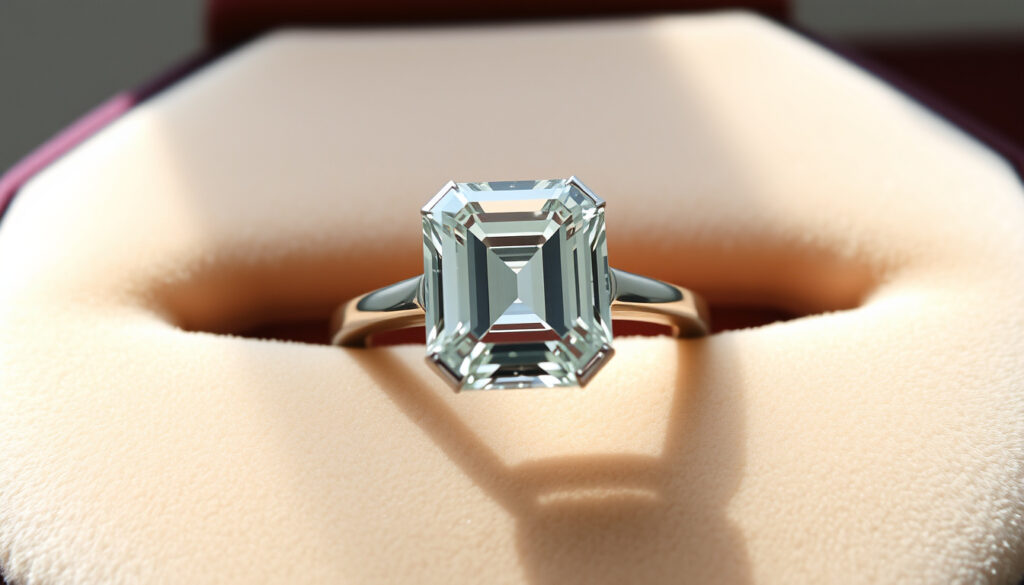
Emerald cut engagement rings have become a defining choice for those drawn to understated elegance. Unlike the brilliant round cut, the emerald cut offers a rectangular, step-cut design with long parallel facets that create a subdued yet distinctive glow. Its history, dating back to the 16th century, gives it a sense of permanence and sophistication that resonates with buyers seeking something beyond convention.
The elongated shape of an emerald cut diamond can make fingers appear longer, and the open table — the large flat top facet — demands high clarity. This cut prioritises transparency over sparkle, which means every inclusion is visible to the naked eye. Buyers who understand this trade-off often fall into two camps: those who love the clean, architectural look, and those who prefer a more traditional brilliant fire.
According to the GIA, the emerald cut rose to prominence during the Art Deco period and has seen a steady revival over the past decade, driven by celebrity style and a growing appreciation for vintage aesthetics. Whether set in platinum or yellow gold, the emerald cut continues to hold a unique place in the engagement ring market.
What Is an Emerald Cut Engagement Ring?
Rectangular step cut with parallel facets creating a ‘hall of mirrors’ effect. Less brilliance but more clarity and elegance.
Solitaire, halo, three-stone, and vintage-inspired bezel settings are most flattering for emerald cuts.
Yellow gold enhances vintage appeal; white gold and platinum emphasise the diamond’s clarity.
Emerald cuts often cost less per carat than brilliant cuts due to lower waste in cutting, but clarity is critical.
- Emerald cut diamonds prioritise clarity over brilliance, making inclusion visibility a key buying factor.
- The cut is famously associated with Art Deco and vintage styles, appealing to non-traditional buyers.
- Step-cut facets create a unique optical effect often described as a ‘hall of mirrors’.
- Emerald cuts can appear larger than other cuts of the same carat weight due to their elongated shape.
- Yellow gold settings are experiencing a resurgence in popularity for emerald cut rings.
| Feature | Details |
|---|---|
| Shape | Rectangular with truncated corners |
| Facets | Step-cut with 50–58 facets |
| Origin of name | From the cut’s historical use for emeralds |
| Peak popularity | Art Deco era (1920s–1930s) and modern revival |
| Best clarity grade | VS2 or higher to hide obvious inclusions |
| Typical carat weight | 0.5 to 3+ carats |
| Common metals | Platinum, white gold, yellow gold, rose gold |
Why Choose an Emerald Cut Diamond for Your Engagement Ring?
Choosing an emerald cut means prioritising clarity, sophistication, and a clean geometric look. According to the GIA’s guide on diamond emerald cut engagement rings, the step-cut design produces less scintillation than round brilliant cuts but delivers a distinctive “hall of mirrors” effect that many find more refined.
How Does It Compare to Other Cuts?
Emerald cuts differ significantly from princess and cushion cuts. The princess cut has sharp corners and a brilliant facet pattern, while the emerald cut features beveled corners and a stepped facet arrangement. The IGS guide to emerald cut diamonds notes that the step cut makes inclusions far more visible, which is why a clarity grade of VS2 or higher is recommended.
Is It Suitable for Everyday Wear?
Diamonds are durable — they score a 10 on the Mohs scale. However, the four corners of an emerald cut can be vulnerable to chipping if struck at the right angle. A protective setting such as a bezel or V-prongs can mitigate this risk. According to Rachel Boston’s detailed guide, a four-claw or bezel setting is often recommended for daily wear.
Because emerald cuts have large open facets, even small inclusions can be visible to the naked eye. Always request a video or inspect the stone in natural light before purchase. VS2 is the minimum recommended clarity grade for an eye-clean stone.
What Are the Best Settings and Styles for Emerald Cut Rings?
Emerald cut diamonds are remarkably versatile. According to Sotheby’s guide to buying an emerald cut engagement ring, the three-stone setting — a central emerald flanked by trapezoid side stones — is a classic choice. Solitaire and halo settings are equally popular, each offering a different visual effect.
Metal Choices and Aesthetic Impact
Yellow gold has made a strong comeback for emerald cuts, particularly in vintage and Art Deco designs. White gold and platinum, on the other hand, allow the diamond’s clarity and colour to take centre stage. Rose gold adds a warm, romantic feel. According to Kwiat’s educational guide, the elongated shape of the emerald cut also influences how different metals reflect light through the stone.
Vintage and Art Deco Designs
The Art Deco era is where the emerald cut truly found its identity. Channel-set baguettes, geometric patterns, and architectural symmetry dominate this style. Modern vintage-inspired rings often feature filigree work and milgrain detailing, offering a nod to the 1920s while staying current.
The hallmark of a well-cut emerald diamond is the “hall of mirrors” effect: when you look through the table, you see parallel reflections of light bouncing between the step facets. This effect only appears when symmetry, polish, and depth ratios are optimal.
Are Emerald Cut Engagement Rings Expensive?
Emerald cut diamonds typically cost less per carat than round brilliant diamonds because less rough stone is wasted during cutting. According to Diamonds.pro’s overview, a 1 carat quality emerald cut diamond can start around $3,300. However, that price can rise significantly with higher clarity grades and larger carat weights.
Price Factors
Clarity is the most significant price driver for emerald cuts. A VS1 or VVS2 stone commands a premium over VS2 because the step facets make every inclusion visible. Length-to-width ratio also matters: a well-proportioned diamond (between 1.30 and 1.60) will be more desirable and often more expensive. Sotheby’s notes that auction pieces starting at 3 carats can exceed $50,000, with particularly fine examples reaching six figures.
Lab-Grown and Budget Alternatives
Lab-grown emerald cut diamonds offer a more accessible entry point. According to BBBgem’s buying guide, prices for lab emeralds start between $425 and $1,490. For those on a tighter budget, considering a slightly lower carat weight or a slightly lower clarity grade (still VS2 or above) can help balance cost and quality.
The four corners of an emerald cut diamond are more susceptible to chipping than the edges of a round cut. A bezel setting or V-shaped prongs provide the best protection for everyday wear. Always check that the setting covers the corners securely.
Where Can I Buy Emerald Cut Engagement Rings?
UK buyers have several reliable options. Rachel Boston specialises in bespoke emerald cuts with a focus on G/VVS2+ clarity and custom length-to-width ratios. Sotheby’s holds regular auctions in London for investment-grade stones of 3 carats and above. Both Tiffany & Co.’s emerald cut collection and online retailers that ship to the UK offer additional choices. Buyers should verify VAT and customs duties when purchasing from non-UK retailers.
How Has the Emerald Cut Evolved Through History?
- Ancient Egypt — Emerald deposits discovered; early lapidary techniques used for rough emeralds.
- 1500s — Step-cut (emerald cut) developed for emeralds to reduce pressure on the stone during cutting.
- 1920s–1930s — Art Deco movement popularises the emerald cut for diamond engagement rings.
- 1960s–1970s — Less mainstream as round brilliant cuts dominate; emerald cut retains niche appeal.
- 2010s–Present — Major revival driven by vintage trend and celebrity style (Beyoncé, Amal Clooney).
What Are the Key Certainties and Uncertainties About Emerald Cut Diamonds?
| Established Information | Information That Remains Unclear |
|---|---|
| Emerald cuts have less brilliance than round cuts. Step-cut facets produce a subtle “hall of mirrors” effect. | Whether the emerald cut “hides” inclusions well. Due to large, open facets, inclusions are actually more visible, so clarity is essential. |
| Emerald cuts are generally less expensive per carat than round brilliant cuts because less rough diamond is wasted. | Whether they are always cheaper. High-clarity stones can command a premium that narrows or reverses the price gap. |
| The corners can be vulnerable, but a protective setting (bezel or V-prongs) reduces chipping risk. | Whether the cut itself is “fragile.” Diamonds are hard, but the geometry of the corners introduces a specific risk that depends on the setting. |
What Makes the Emerald Cut So Distinctive for Engagement Rings?
The emerald cut offers a distinct alternative to the ubiquitous round brilliant. It appeals to buyers seeking a vintage, Art Deco aesthetic or a more understated, sophisticated look. The elongated shape can also make fingers appear slimmer — a subtle but frequently cited advantage in consumer feedback.
From a value perspective, emerald cuts often deliver more “face-up” size per carat compared to rounds, making them attractive for budget-conscious buyers who prioritise finger coverage over sparkle. However, the cut’s transparency means that clarity must be prioritised over carat weight. Current market trends (2024–2025) show a strong resurgence of yellow gold and three-stone settings for emerald cuts, blending vintage charm with modern design sensibilities.
Which Sources Provide the Most Reliable Information on Emerald Cut Diamonds?
“The emerald cut is a step-cut style with rectangular facets arranged parallel to the girdle. Because the large, open table makes inclusions more visible, clarity is a primary concern when selecting a diamond of this shape.”
“The cut originated in the 1500s and was designed specifically for emeralds to minimise chipping during the faceting process. It wasn’t until the early 20th century that the cut was adapted for diamonds.”
“At high carat weights, the emerald cut’s step facets produce a mesmerizing ‘hall of mirrors’ effect that round brilliant stones cannot replicate. This has made it a favourite among collectors and connoisseurs.”
Additional reliable sources include the American Gem Society, which provides alternative grading standards for cut quality, and independent educational platforms that offer accessible articles on gemstone cuts and history.
What Should You Consider Before Buying an Emerald Cut Ring?
Before purchasing, focus on clarity (VS2 or higher), symmetry and polish, and the length-to-width ratio (ideal range 1.30–1.60). Decide on a setting that protects the corners — a bezel or V-prong setting is best for daily wear. Compare prices across multiple retailers, and always request videos or inspect the stone in natural light. For a broader look at engagement ring options, see the Complete Engagement Ring Buying Guide.
Frequently Asked Questions
What is the ‘hall of mirrors’ effect?
It is the unique visual effect created by the parallel step-cut facets of an emerald cut diamond, producing a series of reflections that resemble mirrors facing each other.
Is an emerald cut diamond more expensive than a round cut?
Typically no. Emerald cuts are usually less expensive per carat because less rough diamond is wasted during cutting. However, high-clarity stones can command a premium.
What carat size is best for an emerald cut ring?
This depends on budget and finger size. 1 carat offers a classic look, while 2 carats provides a more substantial presence. Emerald cuts face up larger than rounds of the same weight.
Can emerald cut diamonds be set in yellow gold?
Yes. Yellow gold is a popular choice for emerald cuts, especially for vintage or Art Deco styled rings.
Do emerald cut rings sparkle less?
They produce less ‘fire’ and ‘brilliance’ than round brilliant cuts. Instead, they offer a subtle, sophisticated glow and a distinctive step-cut pattern.
What clarity grade is recommended for emerald cut diamonds?
A minimum of VS2 is recommended, but VS1 or VVS2 is ideal for ensuring the stone appears eye-clean under normal viewing conditions.
Are emerald cut diamonds suitable for everyday wear?
Yes, with proper protection. The corners can be vulnerable, so a bezel setting or V-prongs are recommended for daily use.
What is the ideal length-to-width ratio for an emerald cut?
The ideal ratio ranges from 1.30 to 1.60, which gives the diamond a balanced rectangular shape. Ratios outside this range may appear too square or too elongated.
Where can I buy emerald cut engagement rings in the UK?
Rachel Boston offers bespoke designs, Sotheby’s holds London auctions for high-end stones, and online retailers such as Blue Nile ship to the UK. Check VAT and customs on imports.
How do I care for an emerald cut diamond ring?
Clean gently with warm water, mild soap, and a soft brush. Avoid ultrasonic cleaners if the stone has visible inclusions. Have the setting checked annually by a jeweller.
More related posts
 The Gathering (TV Series) – Channel 4 Plot Cast Guide
 Jet2 Holidays to Cape Verde – Your 2026 All Inclusive Guide
 Words With No Vowels – Complete Lists and Guide
 Bob Saget – Cause of Death, Net Worth and Life Story
 Lloyds Bank New Mobile Banking Feature – Subs & Card Freeze
 How to Get Rid of a Cold in 24 Hours – What Doctors Recommend
 Dept Q Review – What Critic and Audience Say in 2025
 Where to Watch Grey’s Anatomy – Hulu Netflix Disney+ Guide