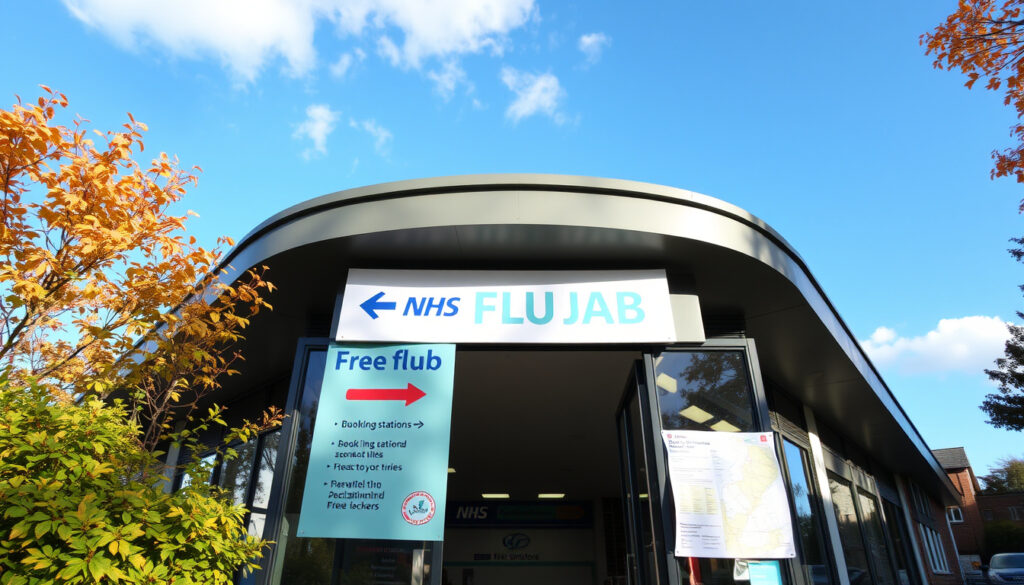
Flu Jab Near Me – Free NHS Locations and Booking Guide
Finding a flu jab near you has become increasingly straightforward, with pharmacies, GP surgeries, and other NHS services offering multiple routes to vaccination across the United Kingdom. Whether you are looking for a walk-in appointment or wish to book in advance, understanding your options helps ensure you receive protection before flu season reaches its peak.
The annual flu vaccination programme runs from early autumn through to spring, targeting those most at risk of serious illness from influenza. For eligible individuals, the vaccine is provided free of charge through the NHS, while those who do not qualify can access private vaccinations through pharmacies and healthcare providers.
This guide covers where to find your nearest vaccination site, who qualifies for free protection, and the steps involved in booking your appointment.
Where Can I Get a Flu Jab Near Me?
Locating a flu vaccination site has been streamlined through various NHS tools and services. The primary options for receiving your jab include GP surgeries, participating pharmacies, school programmes for children, and employer-based schemes for healthcare workers.
For those wondering about the practical details, here is an overview of what to expect:
Annual flu vaccine injection or nasal spray for children
Eligible NHS groups including those aged 65 and over, pregnant women, and carers
GPs, pharmacies, workplaces, schools, and midwifery services
Book online, via phone, through the NHS App, or walk into participating pharmacies
Key Points to Know
- Flu season typically peaks between October and March, making early autumn the ideal time to receive your vaccination
- The vaccine takes up to 14 days to provide full protection after administration
- Participating pharmacies across the UK offer walk-in appointments for eligible adults
- GP surgeries receive the majority of NHS flu vaccine supplies and handle most community vaccinations
- Children aged 2 to 17 typically receive the vaccine as a nasal spray rather than an injection
- You can book appointments through the NHS GP services finder or directly through your local practice
Flu Vaccination Snapshot
| Category | Details |
|---|---|
| Eligibility | Aged 65+, pregnant women, children aged 2-15, those with health conditions |
| Cost | Free on NHS for eligible groups; approximately £10-20 privately |
| Appointment Duration | Approximately 15 minutes; protection lasts 6-12 months |
| Main Providers | NHS GP surgeries (largest share), NHS pharmacy services |
Is the Flu Jab Free and Who Is Eligible?
The NHS provides free flu vaccinations to specific groups considered most vulnerable to serious complications from influenza. Understanding whether you qualify is essential before searching for a flu jab near you, as this determines both your access route and potential costs.
According to official guidance, the following categories are eligible for free NHS flu vaccination:
- Adults aged 65 years and over, including those who will turn 65 by 31 March 2026
- Children aged 2 and 3 years as of 31 August 2025
- School-aged children from Reception to Year 11
- Pregnant women at any stage of pregnancy
- Individuals aged 6 months to 64 years with certain long-term health conditions
- People living in care homes
- Primary carers for older or disabled individuals, or those receiving Carer’s Allowance
- Household contacts of individuals with weakened immune systems
- Frontline health and social care workers
If you are uncertain whether your medical condition qualifies you for a free NHS vaccination, contact your GP surgery or local pharmacy. They can confirm your eligibility based on your health records or circumstances.
Free Flu Jab for Over 65s
Adults aged 65 and over receive priority access to the flu vaccine as part of the NHS winter vaccination programme. This group faces significantly higher risks of serious complications including bronchitis, pneumonia, and hospitalisation. The NHS strongly encourages everyone in this age group to take up the offer annually.
Free Flu Jab for Pregnant Women
Pregnant women are entitled to free flu vaccinations at any point during their pregnancy. The vaccine protects both the mother and her developing baby, with antibodies passing through the placenta to provide early immunity. Midwife services at GP practices and hospitals typically administer these vaccinations as part of antenatal care.
Those who do not fall within NHS eligibility criteria can access flu vaccinations privately. Many high street pharmacies offer paid vaccinations, with prices typically ranging from £10 to £20 per dose.
How Do I Book a Flu Jab Appointment?
Booking your flu jab has been designed to be as accessible as possible, with multiple channels available depending on your circumstances and preference. The process differs slightly depending on whether you are using NHS services or private providers.
Booking Through the NHS
For NHS-eligible individuals, several booking methods are available:
- GP Surgery: Contact your local practice directly by phone or through their online booking system to arrange an appointment
- NHS App: Adults aged 18 and over can book free flu vaccination appointments through the official NHS App
- NHS Website: Online booking is available for pharmacy appointments via the NHS website
- Walk-in Pharmacies: Many participating pharmacies offer appointments without prior booking for eligible adults
Booking for Children
Parents of eligible children should contact their GP surgery to arrange vaccination. School-aged children receive vaccinations through the school nursing programme, with consent forms typically distributed through schools. For children receiving the nasal spray vaccine, GP appointments are the primary route.
Flu Jab Booking Online Near Me
Finding and booking appointments online has become the preferred method for many. The government flu vaccination programme provides centralised information, while individual pharmacy chains offer their own online booking systems for NHS and private vaccinations.
Can I Get a Flu Jab at a Pharmacy or GP?
Both pharmacies and GP surgeries serve as major providers of flu vaccinations in the UK, each offering distinct advantages depending on your needs and circumstances.
Getting Your Flu Jab at a Pharmacy
NHS pharmacy services have expanded significantly in recent years, with thousands of participating locations now offering flu vaccinations. Major chains including Boots, LloydsPharmacy, and Superdrug provide both booked appointments and walk-in services. Pharmacy vaccinations are particularly convenient for working adults who may find it difficult to attend GP appointments during standard hours.
Pharmacists are trained to administer vaccines and can advise on eligibility. Many pharmacies now allow you to book directly through their websites or apps, with some offering evening and weekend availability.
Getting Your Flu Jab at Your GP
GP surgeries remain the largest providers of NHS flu vaccinations, particularly for elderly patients and those with complex health needs. Your GP practice has access to your complete medical history, making them well-placed to identify eligibility and address any concerns about interactions with other medications.
If you have a long-term condition managed by your GP, they will typically contact you when vaccinations become available. Practices often run dedicated flu clinic sessions during autumn, offering extended hours to accommodate working patients.
If you are registered with a GP but prefer to use a pharmacy for convenience, you can still receive your NHS flu jab there. However, inform the pharmacist that you wish to use your NHS entitlement rather than paying privately.
When Is the Best Time to Get My Flu Jab?
Timing your flu vaccination correctly ensures you benefit from maximum protection throughout the winter season when flu viruses circulate most widely.
Flu Jab Season Dates UK
The annual flu vaccination programme in the UK follows a structured schedule:
- September 1: Vaccinations become available for eligible children and pregnant women
- Early October: Appointments open for other eligible adult groups including those aged 65 and over
- October to November: Peak booking period, with most vaccinations administered during these months
- December to March: Flu season peaks, making early vaccination particularly important for vulnerable groups
- April onwards: Availability typically decreases as the season winds down
Why Timing Matters
The flu virus evolves constantly, which means vaccines are updated annually to match circulating strains. Receiving your vaccination in early autumn allows your body sufficient time to develop immunity before flu activity typically increases. According to UK Health Security Agency guidance, the vaccine takes up to 14 days to provide full protection after administration.
Booking your appointment in September or early October helps avoid the rush that typically occurs closer to winter. Early vaccination ensures you are protected before flu cases begin climbing in your area.
Flu Vaccination Timeline: What to Expect
Understanding the progression of the flu vaccination season helps you plan your appointment effectively:
- September 1: NHS flu vaccination programme officially launches for children and pregnant women
- Early October: GP surgeries and pharmacies begin offering appointments to all other eligible groups
- October through November: Bulk of vaccinations administered across the country
- December through March: Active flu season with peak transmission typically occurring between December and February
- April onwards: Vaccination season concludes and availability reduces significantly
The UK Health Security Agency provides regular updates throughout the season regarding circulating strains and vaccination rates.
Facts and Common Misconceptions
Separating fact from fiction helps ensure you make informed decisions about flu vaccination. Here is what medical evidence establishes versus common misunderstandings:
| Established Facts | Common Misconceptions |
|---|---|
| The flu vaccine is safe with over 95% of recipients experiencing no serious side effects | The vaccine does not give you flu as it contains inactivated virus |
| Effectiveness ranges from 40-60% depending on circulating strains and individual factors | Flu vaccination is not only for elderly people |
| The nasal spray vaccine is over 60% effective in reducing hospitalisation risk for children aged 2 to 17 | Healthy adults can still benefit from vaccination to protect vulnerable contacts |
Understanding Flu Complications and Why Vaccination Matters
Influenza is far more serious than a common cold, capable of causing severe health complications even in otherwise healthy individuals. The virus can lead to bronchitis, pneumonia, and in some cases, death. Hospitalisation rates increase significantly during peak season, placing considerable pressure on NHS services.
The Public Health Agency emphasises that vaccination protects not only the individual receiving it but also vulnerable people in their household and community. This concept, known as herd protection, is particularly important for those who cannot be vaccinated due to medical reasons.
For those managing other health conditions, complications from flu can be especially dangerous. Side Effects of Amlodipine – Symptoms, Risks and Management Guide discusses how respiratory infections can interact with cardiovascular medications, underscoring why patients with such conditions should prioritise vaccination.
Expert Guidance on Flu Vaccination
“The flu jab saves lives every year. It is one of the most effective ways to protect yourself and those around you from a virus that can cause serious illness, particularly in vulnerable populations.”
— NHS England guidance on seasonal flu vaccination
Healthcare professionals consistently emphasise that annual vaccination remains the single best defence against influenza. The Patient.info immunisation resource provides detailed information on vaccine types, effectiveness data, and answers to common concerns.
Workplace absence due to flu also carries significant economic and operational impacts. How Long Can a Doctor Give a Sick Note for UK – Rules Explained illustrates how respiratory infections can result in extended time away from work, reinforcing the value of prevention through vaccination.
Summary: Finding Your Flu Jab
Accessing a flu jab near you involves checking your eligibility, selecting a convenient provider, and booking an appointment at the right time. GP surgeries, pharmacies, and school programmes all participate in the NHS vaccination programme, ensuring widespread coverage across communities. For those eligible, the vaccine is provided free of charge. Private options exist for those outside NHS criteria. Early autumn vaccination before flu season peaks offers the best protection for you and those around you.
Frequently Asked Questions
What are the side effects of the flu jab?
Common side effects include soreness at the injection site, mild fever, and muscle aches. These typically resolve within 1-2 days. Serious side effects are rare.
How effective is the flu jab?
The vaccine is between 40-60% effective depending on circulating strains and individual factors. For children, the nasal spray was over 60% effective at reducing hospitalisation risk.
Is flu jab free for over 65s?
Yes, all adults aged 65 and over are eligible for free NHS flu vaccination. This includes those who will turn 65 by 31 March 2026.
Can I get a flu jab without an appointment?
Many pharmacies offer walk-in appointments without prior booking. However, booking in advance is recommended to guarantee availability and reduce waiting times.
How long does flu protection last?
Protection typically lasts between 6 and 12 months. Annual vaccination is recommended because the virus changes each year and immunity decreases over time.
Can pregnant women have the flu jab?
Yes, pregnant women at any stage of pregnancy are eligible for free NHS flu vaccination. The vaccine is safe and provides protection for both mother and baby.
Where do I find NHS flu jab locations?
You can find locations through the NHS website, by contacting your GP surgery, or using pharmacy chain locators. The NHS App also provides information about nearby participating providers.
More related posts
 6 Nations Fixtures 2025 – Complete Schedule, Results & Winner
 Dan Aykroyd – Biography, Movies, Net Worth and Personal Life
 Is Creatine Good for You – Benefits, Risks and What Science Says
 Greggs Sausage Roll Price – Latest UK Menu 2026
 Poker Face Season 2 – Cast Release Date and Cancellation
 B&Q Lincoln – Opening Hours, Postcode and Store Guide
 Uruguay National Football Team – History, Bielsa and 2026 Prospects
 Immediate Start Jobs Near Me – Find Urgent Hiring Today