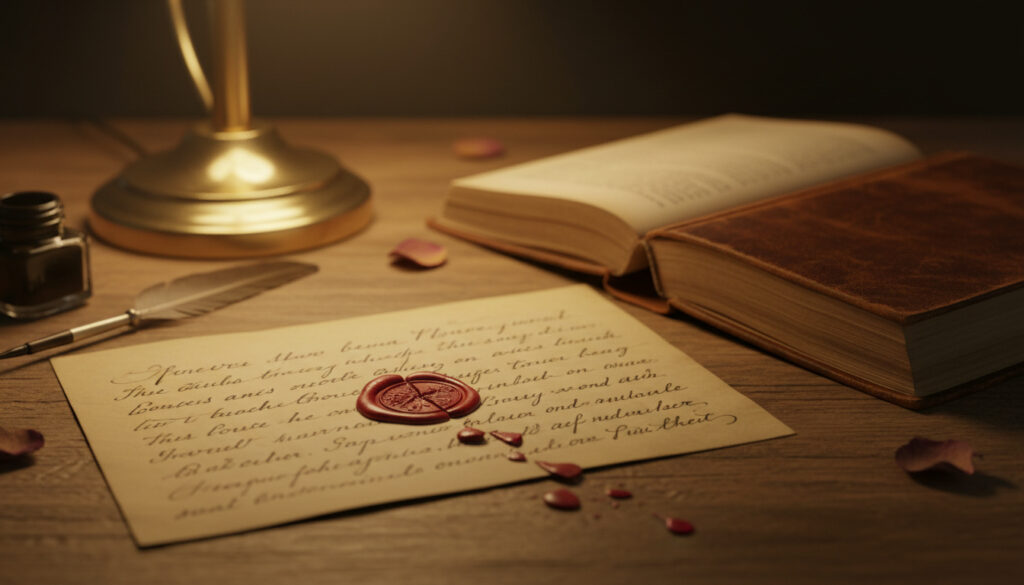
The Last Letter from Your Lover – Book Summary, Ending and Film Guide
A cryptic letter hidden in newspaper archives bridges four decades of longing in Jojo Moyes’ 2008 novel The Last Letter from Your Lover. The narrative alternates between a 1960s English housewife awakening from amnesia and a modern journalist uncovering her story, weaving a dual-timeline romance that examines how secrets, societal constraints, and missed connections reshape human lives.
The book gained renewed attention following its 2021 Netflix adaptation starring Shailene Woodley, which translates the epistolary mystery to screen with parallel narratives set against French coastal towns and London streets. Both versions trace the catastrophic affair between Jennifer Stirling and journalist Anthony O’Hare, alongside contemporary investigator Ellie Haworth’s parallel emotional awakening.
While the novel cemented Moyes’ reputation for emotionally resonant storytelling prior to her Me Before You breakthrough, the film adaptation introduced the story to global streaming audiences, generating debate over its faithfulness to the source material and the viability of its bittersweet resolution.
What Is The Last Letter from Your Lover About?
| Aspect | Book | Movie |
|---|---|---|
| Core Format | Jojo Moyes novel (2008) | Netflix film (2021) |
| Genre Classification | Historical Romance / Literary Fiction | Romance Drama / Period Piece |
| Primary Cast | N/A (Literary characters) | Shailene Woodley, Callum Turner, Joe Alwyn |
| Length | 448 pages (Hodder & Stoughton) | 110 minutes runtime |
The story architecture relies on discovered correspondence. In 1960, Jennifer Stirling, a glamorous housewife, suffers partial amnesia following a car crash. She recovers feeling estranged from her wealthy husband Laurence, eventually uncovering passionate letters signed “Boot” that reveal a forgotten affair with foreign correspondent Anthony O’Hare. Their romance had ignited during a French summer idyll, progressing to clandestine London meetings conducted via coded letters using pennames “J” and “Boot.”
Parallel to this historical thread, journalist Ellie Haworth discovers Anthony’s desperate plea-to-flee letter in 2003 while researching a deceased editor at her newspaper. Partnering with archivist Rory, she becomes consumed with tracing the letter’s origin, uncovering how Anthony had proposed New York escape to Jennifer, only to depart alone when she failed to appear—unaware that her husband had hidden the final letter and fabricated Anthony’s death.
- Dual-timeline structure creates narrative tension between 1960s restriction and modern freedom
- Epistolary elements drive the mystery through physical letters rather than exposition
- Memory and identity serve as central themes as Jennifer reconstructs her past
- Societal constraints of 1960s marriage laws and female autonomy create the primary conflict
- Second chances emerge as both timelines explore redemption across decades
- Mirrored relationships connect Jennifer’s trapped existence with Ellie’s romantic hesitation
- Lost correspondence acts as both plot device and metaphor for interrupted communication
| Fact | Book Version | Film Adaptation |
|---|---|---|
| Publication/Release | 2008 (Hodder & Stoughton) | July 23, 2021 (Netflix) |
| Setting | 1960s France/UK; 2003 London | Identical locations |
| Protagonist Structure | Split between Jennifer (1960s) and Ellie (2003) | Shailene Woodley portrays both women |
| Critical Aggregate | ~3.77/5 on Goodreads | 48% Rotten Tomatoes; 5.7/10 IMDb |
| Director/Author | Jojo Moyes | Augustine Frizzell |
| Key Location | Postman’s Park, London | Belvoir Castle (Stirling estate); Oxfordshire (France) |
Is The Last Letter from Your Lover Based on a True Story?
The narrative is entirely fictional. Moyes crafted the story as imaginative fiction inspired by vintage love letters and the restrictive social norms governing 1960s British marriages, rather than documenting specific historical events. While the amnesia plot device and the stigma surrounding adultery reflect period-accurate cultural attitudes, no direct correlation exists between the Stirling-O’Hare affair and documented real-world couples.
The author’s inspiration drew from the emotional resonance of discovered correspondence and the tragedy of lives separated by circumstance rather than choice. This distinction matters significantly for reader expectations; the novel explores universal themes through imagined characters, not biographical reconstruction.
Moyes developed the plot from thematic interest in vintage letter-writing culture and 1960s gender constraints, not from specific biographical material. The amnesia element serves narrative purposes rather than representing particular medical case studies.
What Is the Ending of The Last Letter from Your Lover?
Spoiler Warning: The following details reveal specific plot resolutions.
Jennifer’s Path to Truth
Jennifer’s last-minute rush to meet Anthony ended in the 1960 crash; Laurence subsequently concealed the final letter and falsely reported Anthony’s death. Years later, after rediscovering the correspondence bundle, Jennifer confronts her husband, who threatens custody of their daughter to maintain silence. She attempts to locate Anthony through his newspaper, leaving the letters with his editor at The Nation before abandoning hope.
Ellie’s Investigative Breakthrough
Ellie’s archival work leads her to contact the elderly Jennifer and Anthony separately, learning of their respective regrets and unfulfilled lives. Moved by their persistent longing, she facilitates communication, inspiring Anthony to compose one final letter to Jennifer after more than forty years of separation.
The Final Reunion
The novel concludes at Postman’s Park, the symbolic meeting spot where Jennifer and Anthony finally reunite in old age, observed by Ellie and Rory. This resolution emphasizes redemption through rediscovered connection. Simultaneously, Ellie abandons her pattern of romantic hesitation, committing to Rory and rejecting a future defined by “what ifs.”
Sources differ regarding Anthony’s immediate post-crash activities; some indicate hospitalization for alcohol-related issues, while others reference a Congo assignment. The film adaptation notably omits the Congo detail entirely, focusing instead on his New York position and 1969 London return.
Who Wrote The Last Letter from Your Lover?
British author Jojo Moyes penned the novel, publishing it with Hodder & Stoughton in 2008, three years before her international breakthrough with Me Before You. The book established her capacity for weaving historical and contemporary narratives while maintaining emotional authenticity across decades.
Moyes’ background in journalism informed Ellie’s professional depiction and the newsroom atmosphere of the 2003 timeline. Her writing particularly emphasizes the legal and social constraints placed upon 1960s women, grounding the romance in historical realities regarding divorce laws, property rights, and marital autonomy.
What Are the Differences Between the Book and Movie?
The Netflix adaptation condenses the novel’s decade-spanning 1960s timeline into a tighter narrative arc while amplifying the intersection between past and present. Director Augustine Frizzell utilizes Shailene Woodley in dual roles, employing makeup and CGI to distinguish between the 1960s Jennifer and the modern Ellie, a casting choice that emphasizes their thematic mirroring.
Significant deviations include the handling of Anthony’s post-rejection trajectory; the film removes references to his Congo displacement and hospitalization, instead focusing on his New York career and 1969 London return. Ellie’s characterization shifts from archival investigator to feature writer volunteering for the editor profile, granting her more agency in the discovery process.
The adaptation introduces more explicit physical intimacy—particularly a cloakroom encounter absent from the novel—while streamlining Jennifer’s post-crash recovery period. The ending maintains the core reunion at Postman’s Park but accelerates Ellie’s romantic resolution, depicting her racing to Rory immediately following the interviews rather than the more gradual reconciliation in the source material.
Principal photography occurred across the United Kingdom despite the French setting, with Oxfordshire countryside doubling for 1960s France, Belvoir Castle serving as the Stirling estate, and Brighton providing coastal atmosphere. London’s actual Postman’s Park features prominently as the reunion location, while interiors utilized Bath and Surrey locations.
For readers seeking visual storytelling comparisons, How Did Mr Krabs Die – SpongeBob Myth Debunked offers unrelated analytical content regarding media narratives.
How Does the Timeline Unfold?
- 2008: Jojo Moyes publishes the novel with Hodder & Stoughton
- July 23, 2021: Netflix releases the film adaptation globally
- 1960: Jennifer Stirling’s car crash initiates the primary mystery; her affair with Anthony O’Hare begins
- 1965-1969: Peak correspondence period using coded letters; Anthony proposes New York escape
- 2003: Ellie Haworth discovers Anthony’s plea letter in newspaper archives
- 2003/2004: Final reunion occurs at Postman’s Park after 40+ years of separation
What Facts Are Definite and What Remains Unclear?
| Established Information | Uncertain or Variant Details |
|---|---|
| The narrative is fictional, not based on specific true events | Exact calendar year of Jennifer and Anthony’s final reunion (sometime post-2003) |
| 2008 publication date; 2021 film release | Specific duration of Anthony’s hospitalization following the 1960 crash |
| Author Jojo Moyes; director Augustine Frizzell | Whether Anthony traveled to the Congo (mentioned in some summaries, absent in film) |
| Postman’s Park serves as reunion location | Exact age of characters during final meeting |
| Laurence Stirling hid the final letter and lied about Anthony’s death | Specific editorial policies at The Nation regarding letter retention |
Historical Context and Thematic Meaning
The 1960s timeline operates within rigid marital frameworks where divorce required proving fault and women possessed limited property rights. Jennifer’s entrapment reflects historical realities where economic dependence and custody threats effectively imprisoned wives in untenable marriages. The amnesia device serves as both plot mechanism and metaphor for the psychological dissociation experienced by women constrained by domestic expectations.
The 2003 timeline contrasts this constraint with Ellie’s professional freedom, yet reveals emotional paralysis through her romantic hesitation. The parallel structures suggest that while legal barriers diminished, fear of vulnerability persists across generations. The letters themselves—physical, handwritten, and hidden—represent the privacy and intensity absent from modern digital communication.
Those interested in acquiring the book for historical fiction collections might consider options listed under Buy a Gift Voucher – Top Sites, Deals and Step-by-Step Guide for purchasing flexibility.
Critical Reception and Sources
Pre-publication materials described the novel as “a heartbreakingly romantic read,” reflecting publisher confidence in its emotional impact. Contemporary reviews praised the book’s heartfelt storytelling and “obsessive romance” atmosphere, though some critics noted Ellie’s modern timeline lacked the intensity of Jennifer’s historical narrative. Reader assessments averaged approximately four stars, with particular appreciation for period detail, while some analysts deemed elements predictable.
The Netflix adaptation received mixed critical reception, earning a 48% Rotten Tomatoes score. Supersummary analysis noted Woodley’s compelling dual performance and chemistry with Callum Turner, though critics dismissed the overall execution as “predictable” and “cheesy.” The translation from epistolary novel to visual medium necessarily sacrificed the letter-reading intimacy that drove the book’s emotional momentum.
“One day, maybe, it will seem easier to stop asking questions.”
— Excerpt from The Last Letter from Your Lover
Summary and Key Takeaways
The Last Letter from Your Lover constructs a meditation on persistence and redemption across forty years of separation, using discovered correspondence to unite two timelines and two couples. While the 1960s narrative explores physical and legal imprisonment within marriage, the modern storyline examines self-imposed emotional barriers. Neither the novel nor its film adaptation derives from true events, instead utilizing historical constraints to generate authentic dramatic tension. The work remains available through major booksellers and Netflix streaming, offering distinct experiences through prose and visual mediums.
Frequently Asked Questions
Is The Last Letter from Your Lover a good book?
Critical consensus indicates solid quality with an approximate 3.77/5 Goodreads rating. Reviews praise the emotional depth and period atmosphere, though some find the modern timeline less compelling than the 1960s narrative.
Who plays Ellie in The Last Letter from Your Lover movie?
Shailene Woodley portrays Ellie Haworth. Through makeup and CGI aging techniques, she also plays Jennifer Stirling in the 1960s timeline, creating a visual connection between the two protagonists.
Is The Last Letter from Your Lover on Netflix?
Yes. The film adaptation premiered on Netflix on July 23, 2021, and remains available for streaming to subscribers. The original novel requires separate purchase through booksellers.
Where was The Last Letter from Your Lover filmed?
Production occurred primarily in the United Kingdom despite French settings. Key locations include Oxfordshire (doubling for France), Belvoir Castle (Stirling estate), London’s Postman’s Park, Brighton, Bath, and Surrey.
What is the last letter in The Last Letter from Your Lover?
The final correspondence consists of Anthony’s renewed plea to Jennifer written in 2003/2004 after Ellie facilitates their reconnection, culminating in their reunion at Postman’s Park.
Does Anthony die in The Last Letter from Your Lover?
No. Laurence falsely reports Anthony’s death to Jennifer following her 1960 crash. Anthony survives, eventually working in New York and later returning to London, where he lives into old age to reunite with Jennifer.
What causes Jennifer’s amnesia?
Jennifer suffers partial amnesia following a car crash that occurs while she rushes to meet Anthony for their planned New York departure. The crash results from her haste to reach him before his scheduled flight.
More related posts
 The Gathering (TV Series) – Channel 4 Plot Cast Guide
 Real Housewives of London Cast – Complete Cast Guide
 The Fragrance Shop Discount Code – Verified Student Savings 2026
 Shilajit Holland and Barrett – Capsules, Prices and Reviews
 What Is a Rainbow Baby – Definition, Meaning, and Debate
 Tom Daley – Life After Diving, Family and Knitting
 Dua Lipa Red Hair – Complete Guide to the Cherry Cola Trend
 How Did Mr Krabs Die – SpongeBob Myth Debunked