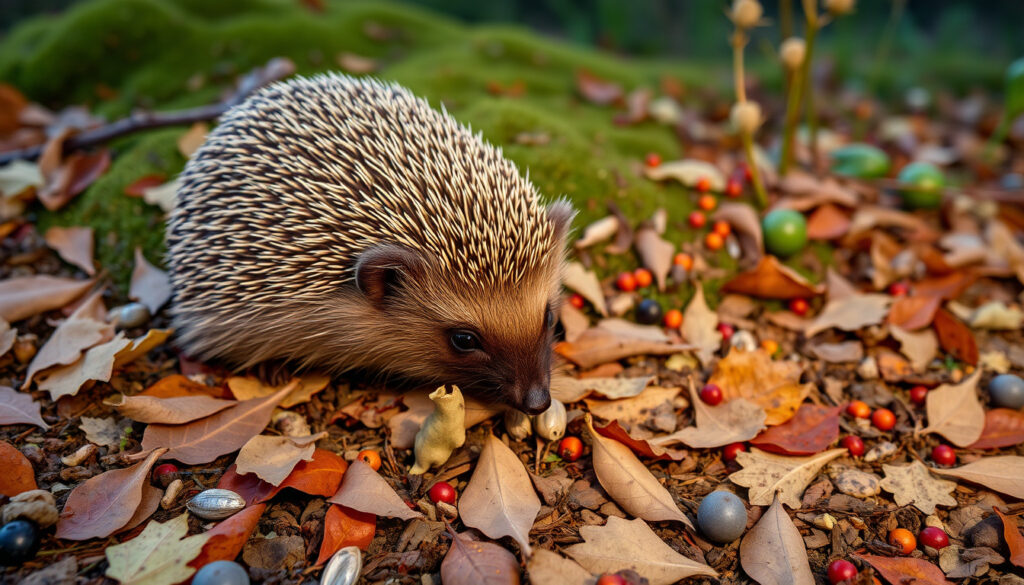
What Do Hedgehogs Eat – Complete Guide to Wild and Pet Diets
Hedgehogs are charming and often misunderstood animals, and what they eat is one of the most frequently asked questions among wildlife enthusiasts and pet owners alike. Whether you are trying to support a visiting garden hedgehog or caring for a domesticated African pygmy hedgehog, understanding the right foods — and the wrong ones — is essential. This guide covers the natural diet of wild hedgehogs, what to feed a pet hedgehog, how to handle winter feeding, and what science and conservation experts have to say.
Hedgehogs are insectivores by nature, meaning insects and other invertebrates form the bulk of their diet in the wild. Pet hedgehogs, by contrast, rely on a carefully balanced diet of high-protein, low-fat foods to stay healthy. Fresh water must always be available in both scenarios. The information here draws on conservation organisations, veterinary guidance, and rescue charities to give you a clear, evidence-based picture.
Many common beliefs about hedgehog feeding — such as offering milk and bread — are outdated and can actually harm them. By the end of this guide, you will have a reliable understanding of what hedgehogs eat, what they should avoid, and how to support them throughout the year.
What Do Hedgehogs Eat in the Wild?
In their natural habitat, hedgehogs are opportunistic foragers that primarily consume invertebrates. Their wild diet is remarkably consistent across different regions, though seasonal availability can influence which prey items are most common at any given time.
Natural Diet
Hedgehogs are insectivores; eat beetles, worms, slugs, caterpillars.
Pet Diet
Specialized hedgehog kibble, supplemented with insects and occasional fruits.
Safe Treats
Small amounts of apples, pears, berries; avoid milk and bread.
Winter Feeding
High-calorie foods before hibernation; provide water and cat food if needed.
Key Dietary Insights
- Hedgehogs primarily eat invertebrates; they are insectivores, not omnivores despite occasional fruit consumption.
- Pet hedgehogs require a high-protein, low-fat diet – cat food is often used but must be chosen carefully.
- Hedgehogs can become obese; portion control is essential for pets.
- In winter, hedgehogs need extra calories to build fat reserves for hibernation – feeding can be lifesaving.
- Water is critical; provide fresh water daily, especially in dry weather.
| Food Type | Examples | Suitable for Wild? | Suitable for Pets? |
|---|---|---|---|
| Invertebrates | Beetles, worms, slugs, caterpillars | Yes | Yes (live or dried) |
| Meat-based protein | Cooked chicken, cat food (high meat) | Occasional | Yes (as supplement) |
| Fruits | Apples, pears, melon | Limited | Limited (sugar control) |
| Commercial hedgehog kibble | Insect-based pellets | Yes | Yes (primary diet) |
| Vegetables | Carrots, peas | No | No (low nutritional value) |
| Dairy | Milk, cheese | No – can cause diarrhea | No |
| Bread | White bread, cereals | No – empty calories | No |
According to the Woodland Trust, hedgehogs rely on earthworms, ground beetles, caterpillars, earwigs, millipedes, and fly larvae as core wild foods. The Hedgehog Street campaign, run by the People’s Trust for Endangered Species and the British Hedgehog Preservation Society, confirms that invertebrates such as slugs, snails, and beetles are the natural staples.
What Do Hedgehogs Eat as Pets?
Pet hedgehogs — most often African pygmy hedgehogs — have different nutritional needs than their wild counterparts. While they still benefit from insect protein, their diet must be carefully managed to prevent obesity and nutrient deficiencies.
Hedgehog Kibble: What to Look For
Specialist hedgehog kibble is widely available and is the recommended staple for pet hedgehogs. However, many owners also use high-quality dry cat food as a base. One source recommends roughly 28%–35% protein and 12%–15% fat for pet pygmy hedgehogs, with poultry-based cat food close to 34% protein and 15% fat suggested as a viable option (ExoticDirect). The key is to choose a product that lists meat as the first ingredient and avoids fillers like corn or wheat.
Safe Treats and Supplementary Foods
Live insects such as crickets and mealworms are repeatedly recommended because hedgehogs naturally benefit from the chitin content found in insect exoskeletons. Small amounts of cooked, unseasoned lean meats like chicken or turkey are also considered safe treats by multiple sources (Chewy, Exotic Nutrition, PetMD). Some owners offer small portions of cooked or soft vegetables such as carrots, peas, green beans, broccoli, leafy greens, and cucumber. Fruit can be given sparingly, but sugary foods should be limited.
Foods to Avoid
A number of common foods are harmful to hedgehogs. Milk and other dairy products can cause diarrhea and dehydration. Chocolate, grapes, raisins, avocado, nuts, seeds, raw meat, raw eggs, salty snacks, sugary snacks, bread, onions, and starchy or hard foods should all be avoided. These items can lead to digestive issues, toxicity, or physical injury. A care guide from the Buffalo Bird Nerds hedgehog care sheet notes that pet hedgehogs often eat about 1 to 3 tablespoons of food per day, and treats should remain limited.
Milk and bread are not suitable for hedgehogs. Milk causes digestive upset and dehydration, while bread offers empty calories with no nutritional value. Always avoid these items, whether feeding a wild visitor or a pet.
What Do Hedgehogs Drink?
Hydration is just as important as food for hedgehogs, yet it is often overlooked. Both wild and pet hedgehogs need consistent access to clean, fresh water.
Hydration for Wild Hedgehogs
Conservation guidance from Hedgehog Street stresses that a shallow dish of water is important during dry spells. Water should be placed in a sheltered spot away from the hedgehog house to reduce the risk of attracting predators. A heavy, shallow bowl works best to prevent tipping.
Hydration for Pet Hedgehogs
Pet hedgehogs should have water available at all times, either in a shallow bowl or a sipper bottle. The water must be changed daily to prevent bacterial growth. Some hedgehogs prefer one method over the other, so owners may need to experiment. The Buffalo Bird Nerds care sheet confirms that fresh water should be refreshed daily when kept for pets.
What Do Hedgehogs Eat in the Winter?
Winter is a critical time for hedgehogs, especially those preparing for or recovering from hibernation. Their feeding needs shift as natural food sources become scarce.
When to Start Winter Feeding
Spring feeding helps hedgehogs recover after hibernation. Late summer and autumn are especially important because hedgehogs need to build fat reserves to survive the winter. Even on milder winter nights, supplemental feeding can be beneficial. The Woodland Trust notes that hedgehogs benefit from food and water whenever insects become scarce, particularly during cold or dry periods.
Best Foods for Winter
High-calorie, protein-rich foods are ideal for winter feeding. Meat-based cat or dog food, specialist hedgehog food, and a shallow dish of water are all suitable. Food should be left away from the hedgehog house to reduce the risk of attracting predators, and a feeding station can help keep the food accessible mainly to hedgehogs.
Place food in a sheltered area away from hedgehog homes to avoid attracting foxes and pets. A simple feeding station — a shallow box with a hedgehog-sized entrance — keeps food accessible to hedgehogs while deterring larger animals.
During dry winter spells, hedgehogs may struggle to find water. Providing a shallow dish of clean, unfrozen water can be a lifesaver. Check and refresh it daily, especially when temperatures drop below freezing.
Do Foxes Eat Hedgehogs? Understanding Hedgehog Predators
Predation is a concern for hedgehog conservation, and foxes are often mentioned as a potential threat. However, the relationship is more nuanced than many assume.
According to hedgehog conservation sources, supplementary food left out for hedgehogs can attract predators such as foxes and domestic pets. Placing food away from the hedgehog house or using a feeding station can reduce this risk. Foxes may attempt to prey on hedgehogs, but the hedgehog’s spines provide an effective defence. Attacks are thought to be rare and usually involve sick or injured animals. No definitive scientific studies confirm how frequently foxes successfully prey on healthy hedgehogs.
In practice, the most common feeder-site concerns are cats, dogs, and foxes attracted by the smell of food. Responsible feeding practices — such as putting food out at dusk and removing leftovers by dawn — can minimise these encounters.
When Is the Best Time to Feed Hedgehogs Throughout the Year?
A seasonal approach to feeding aligns with the hedgehog’s natural life cycle. Below is a timeline of key periods when food and water are most needed.
- Spring — Hedgehogs emerge from hibernation and need high-energy food to recover body condition.
- Summer — Natural food is abundant; breeding males range widely. Supplemental feeding is less critical but still welcome.
- Autumn — Building fat reserves for hibernation is essential. Increase supplementary feeding with protein-rich options.
- Winter — Hibernation begins; no feeding needed for healthy hedgehogs. Rescue cases or hedgehogs that are underweight may require specialist care.
The Woodland Trust and Hedgehog Street both note that late summer and autumn are the most important periods for supplementary feeding, as hedgehogs must gain enough weight to survive hibernation.
What Is Certain and What Remains Unclear About Hedgehog Diets?
Not all dietary advice carries the same weight. Some recommendations are backed by strong veterinary consensus, while others rely on observation and expert opinion.
| Established Information | Information That Remains Unclear |
|---|---|
| Cat food can be used temporarily as a high-protein option, but it is not a complete long-term diet for pet hedgehogs due to potential vitamin and mineral imbalances. (Multiple rescue organisation guidelines) | Do foxes regularly prey on healthy hedgehogs? Expert opinion suggests attacks are rare and usually involve sick animals, but no definitive studies exist. |
| Milk is harmful to hedgehogs; it causes diarrhea and dehydration. (Veterinary consensus) | How much fruit is too much for a hedgehog? Observational data indicates small amounts are safe, but there is no precise upper limit established in research. |
| Hedgehogs will eat small amounts of apple, but it is not a natural or necessary part of their diet. (Observational data) | Can hedgehogs thrive on a completely kibble-based diet with no live insects? While many pets do, the long-term health effects are not thoroughly studied. |
Why Does Hedgehog Diet Matter for Conservation?
Understanding what hedgehogs eat is not just a matter of curiosity — it has real consequences for conservation. Wild hedgehog populations are declining in many parts of the UK and Europe, and correct supplementary feeding can support these animals in urban and suburban gardens.
Common myths — such as feeding milk and bread — still circulate widely, and well-meaning people may unintentionally harm hedgehogs by offering inappropriate foods. Clear, evidence-based guidelines help prevent obesity, malnutrition, and digestive problems in both wild and pet hedgehogs.
Pet hedgehog ownership has also increased in recent years, and owners need reliable nutritional advice to avoid common pitfalls like overfeeding or relying on low-quality foods. Seasonal variations in food availability directly affect the health of wild hedgehogs, and raising awareness about winter feeding and hydration is a practical way for individuals to contribute to hedgehog welfare.
What Do Conservation Organisations Say About Feeding Hedgehogs?
Several respected conservation and rescue organisations in the UK have published detailed guidance on hedgehog diets. Their recommendations are consistent and evidence-based.
“Insects and other invertebrates are the hedgehog’s main natural food source.”
— Woodland Trust
“Wild hedgehogs eat a wide range of natural foods, but the key items are invertebrates such as worms, beetles, slugs, caterpillars, millipedes & earwigs.”
— Hedgehog Street
“The most important invertebrates in their diet are worms, beetles, slugs, caterpillars, earwigs and millipedes.”
— Dorset Hedgehog Rescue
These sources agree that invertebrate protein should form the foundation of any hedgehog diet — whether in the wild, in a garden feeding station, or in a pet enclosure. For more detailed information, the Woodland Trust’s guide and Hedgehog Street’s feeding advice are excellent starting points.
The Bottom Line on Feeding Hedgehogs
Hedgehogs are insectivores that thrive on a high-protein, low-fat diet. In the wild, their food consists mostly of invertebrates like beetles, worms, and caterpillars. For pets, specialist hedgehog kibble or high-quality cat food that meets protein and fat targets of roughly 28%–35% protein and 12%–15% fat is recommended. Treats such as live insects, cooked lean meats, and small amounts of fruit or vegetables can be offered occasionally. Foods to avoid include milk, bread, chocolate, grapes, raisins, avocado, and raw meat. Fresh water must always be available. If you also enjoy learning about hedgehogs in popular culture, take a look at the Sonic the Hedgehog 3 – Cast, Box Office and Release Guide.
Frequently Asked Questions About Hedgehog Diets
What do hedgehogs eat in Minecraft?
In Minecraft, hedgehogs do not exist as a mob in the vanilla game. They appear only in certain mods or in the Education Edition. No dietary information is available from official sources.
Can hedgehogs eat cat food?
Yes, but only high-quality, meat-based cat food as a temporary supplement. It should not be their primary diet due to incorrect nutritional balance.
How often should I feed a pet hedgehog?
Adult hedgehogs should be fed once daily in the evening, with a measured amount of kibble and occasional treats such as insects or small amounts of fruit.
Do hedgehogs need water?
Yes, fresh water should always be available in a shallow bowl or bottle. Change it daily to keep it clean and safe.
What foods are poisonous to hedgehogs?
Avoid avocado, chocolate, grapes and raisins, onions, garlic, citrus fruits, and processed human foods. These can cause toxicity or digestive distress.
Do hedgehogs eat slugs and snails?
Yes, slugs and snails are part of their natural diet in the wild. However, slugs can carry lungworm, so garden feeding is not recommended as a primary food source.
Can hedgehogs eat apples?
Hedgehogs will eat small amounts of apple, but it is not a natural or necessary part of their diet. Offer only tiny pieces as an occasional treat.
What do hedgehogs eat in the winter?
During winter, hedgehogs benefit from high-calorie, protein-rich foods such as meat-based cat food, specialist hedgehog food, and a dish of water. Offer food on milder nights.
Is bread bad for hedgehogs?
Yes. Bread provides empty calories and no nutritional value. It can fill a hedgehog’s stomach without meeting its dietary needs, leading to malnutrition.
How much food does a pet hedgehog need per day?
Most adult pet hedgehogs eat about 1 to 3 tablespoons of food per day. Treats should be limited to prevent obesity and nutritional imbalances.
For readers interested in broader health and wellness topics, another informative guide worth exploring is How to Get Rid of Acne Scars – Proven Natural and Professional Treatments.
More related posts
 Tottenham vs Man City Stats – Full Head-to-Head Guide
 What the Hell Just Happened – UK Eurovision 2025 Entry Explained
 Ariana Grande Weight Loss – Timeline Photos Her Response
 BT Yahoo Email Login – Official Guide and Fixes
 Side Effects of Amlodipine – Common Risks and Management Guide
 Gone With the Wind – Complete Guide to Plot, Cast and Controversy
 DHS Revokes Humanitarian Parole – CHNV Termination Explained
 Pound to Pakistani Rupee Rate Today – Live Rates and Comparisons