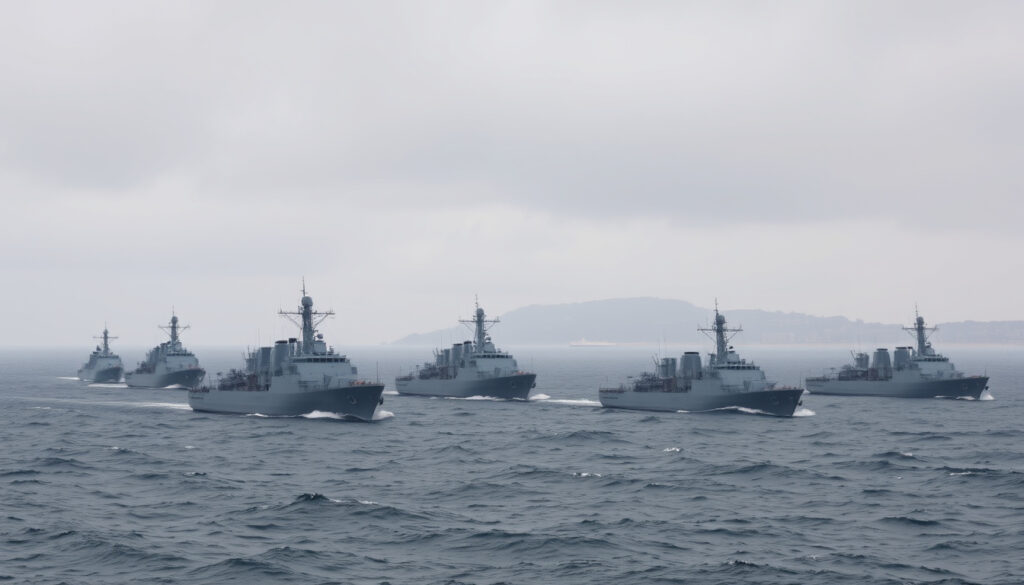
Is UK Going to War – Fact-Based Threat Assessment 2026
Rumors and warnings about a potential war have circulated in the UK with increasing frequency in 2025 and 2026. Headlines reference a major plan to prepare the nation for conflict and a National Security Strategy that speaks of the homeland coming under direct threat. This article provides a fact-driven assessment of the UK war threat level, the government’s preparations, and the key scenarios being discussed.
Is the UK at risk of war with Russia?
The UK government has not declared war or stated that war is imminent. However, its official documents and ministerial statements indicate a significant shift in posture. The UK National Security Strategy 2025 explicitly states that the UK is now in an era of direct confrontation with hostile states.
The government identifies Russia as the most acute state threat. The strategy notes that Russia’s war in Ukraine is accompanied by indirect and sub-threshold activity, including cyber attacks and sabotage, directed against the UK and its NATO allies. The document warns that, for the first time in many years, the UK must actively prepare for the possibility of the homeland coming under direct threat in a wartime scenario.
It is crucial to distinguish between a rising threat level and an actual declaration of war. The government’s language is about preparation and deterrence, not a statement that conflict has begun.
The UK National Security Strategy 2025 says the country is in a “dangerous world” and must prepare for “direct confrontation.” This is the strongest official warning on state threats in decades, but it remains a strategy for preparedness, not a declaration of conflict.
Current threat level and warnings
There is no single, publicly designated “war warning” akin to a military DEFCON level for the UK. The closest analogue is the MI5 threat level for international terrorism, which is separate from the state threat. The 2025 National Security Strategy functions as the government’s primary public warning that conflict is considered a realistic scenario that requires national preparation.
Key adversaries identified
Beyond Russia, the strategy calls out Iran for increasing hostile activity on British soil, tied to the regime’s efforts to silence critics abroad. China and other state actors are also mentioned in the broader context of technological competition and hybrid warfare. Some external analysts group Russia, Iran, China, and North Korea together as a hostile “CRINK” set of adversaries, though this is not official government language.
Not publicly specified as “war,” but the government has issued warnings and begun major preparations. Tensions with Russia are elevated due to the Ukraine conflict.
The UK is working on a new version of a “major plan” to ready the nation for war, involving military, police, hospitals, and industry. The National Security Strategy 2025 outlines broader risks.
Russia is the primary concern due to its war in Ukraine. Iran is another point of tension. China and other state threats are mentioned in the NSS 2025.
Debate exists on whether the public is prepared. Some analysts argue the UK is “already at war” via support for Ukraine. Questions about civilian preparedness remain largely unanswered.
Key insights on the UK’s security environment
- The UK is actively updating a comprehensive war preparedness plan, first reported by Sky News in April 2026.
- The government’s 2025 National Security Strategy states that “technology is transforming the nature of both war and domestic security” and that hostile state activity occurs on British soil.
- Opinion pieces, such as one from Britain’s World, argue Britain is already in a war of attrition with Russia through its backing of Ukraine.
- Public discourse on forums like Reddit and Facebook shows confusion and mixed opinions on UK capability and actual risk.
- The UK’s stance on Iran appears measured: it did not join US strikes but stands ready to protect its interests.
Key events and official statements (fact table)
| Date | Event / Statement | Source |
|---|---|---|
| Aug 2025 | UK publishes National Security Strategy 2025, highlighting war and domestic security threats. | UK Gov |
| Feb 2026 | Analysis piece “Should Britain prepare for war?” argues UK is already at war via Ukraine support. | Britain’s World |
| Apr 2026 | Sky News reports UK is working on a new “major plan” to ready the nation for war. | Sky News |
| 2025 | UK does not join US strikes on Iran but remains ready to protect interests. | Jewish News |
| Ongoing (2022-2026) | UK provides £3 billion per year in military aid to Ukraine, sanctions over 2,500 Russian targets. | UK Gov |
When could the UK go to war? 2026, 2027 or sooner?
No official timeline for a war exists in public documents. The government has not stated that the UK will go to war in 2026 or 2027. The publicly available strategy excerpt does not provide a full war plan or a detailed force-structure timeline.
External commentary suggests the UK “has no choice but to prepare for war” and should do so to deter conflict. This is an opinion, not an official policy statement. The difference between the government’s measured tone and the more urgent framing from analysts is a key source of public confusion.
The timeline of UK actions—from the 2025 strategy to the April 2026 plan—suggests a process of escalation in preparedness, not a countdown to a specific conflict. Monitoring NATO exercises and UK troop deployments may offer the clearest signals of changes in posture.
What is the timeline for war preparations?
The government’s actions follow a clear sequence of increasing urgency. The UK National Security Strategy 2025 set the strategic direction. By 2026, a new “major plan” is being developed to operationalize that strategy across all sectors of society. This implies a multi-year effort to build deterrence and resilience, rather than an immediate call to arms.
Timeline of key events
- 2022-2025: Ongoing Russia-Ukraine war. UK provides extensive military and economic aid to Ukraine.
- August 2025: UK National Security Strategy 2025 is released, outlining technology-driven warfare and domestic threats.
- Late 2025: Tensions with Iran rise. US conducts strikes on Iran. UK opts out but stays alert.
- February 2026: An analytical article is published arguing Britain is “already at war” with Russia.
- April 2026: Sky News reports that the UK government is preparing a new version of a major civil-military war readiness plan.
- Future: Potential further announcements on threat levels, possibly linked to NATO exercises or geopolitical escalations.
What happens if the UK goes to war with Russia?
This is a highly speculative question, as no specific war plan against Russia is public. However, the National Security Strategy 2025 provides some context on how a conflict might unfold. The strategy emphasizes that war is not just a military matter but one that affects the whole of society.
The government has stated that the UK must prepare for the homeland coming under direct threat. This implies a scenario where critical infrastructure, supply chains, energy security, and cyber defenses would be under immediate attack. The strategy points to deterrence and resilience as the core framework, not just conventional combat.
The UK’s role in a conflict with Russia would almost certainly be framed by its NATO commitments. The strategy is linked to the Strategic Defence Review’s “NATO first” modernization plan, meaning the UK would act alongside alliance partners.
How would war affect everyday life?
Questions about civilian impact remain largely unanswered in official documents. The “major plan” reported in April 2026 is said to involve hospitals and industry, suggesting that the government is planning for significant domestic disruption. No public guidelines for civilians have been issued, which is a noted gap in current preparedness.
Is the UK going to war with Iran?
Tensions with Iran have risen, particularly in 2025. The National Security Strategy 2025 describes Iran as an increasing threat through hostile activity in the UK, tied to the regime’s efforts to silence critics abroad.
However, the UK’s response has been measured. In late 2025, the UK did not join US strikes on Iran. A report from Jewish News states that the UK stood ready to protect its interests but did not participate in the military action. This suggests a strategy of deterrence and preparedness rather than active escalation.
Why are UK-Iran tensions rising?
The government points to Iranian state-sponsored hostile activity on British soil, including operations against Iranian dissidents. The National Security Strategy specifically notes that this hostile activity “directly threatens the UK.” The UK’s stance appears to be one of robust defense and sanctions, while avoiding direct military involvement.
How is the UK preparing for a potential war?
The most concrete report of preparation comes from Sky News from April 2026, which states the UK is working on a new version of a “major plan” to ready the whole nation—from the military and police to hospitals and industry—for war. This plan is described as an update of older civil contingency plans.
The UK’s preparations are visible on two tracks: deterring major-state aggression abroad and hardening the homeland against indirect or direct attacks. The National Security Strategy frames this as an issue of borders, energy security, supply chains, cyber defense, and protection against sabotage.
The UK has already committed £3 billion per year to Ukraine, trained over 54,000 Ukrainian personnel, provided 30,000 new drones, and sanctioned over 2,500 Russian targets, including 250 shadow fleet vessels. These actions are part of a broader strategy to degrade a hostile state’s capability.
Is the UK capable of joining a war if forced?
Capability depends heavily on the adversary and the scale of conflict. The UK maintains a professional military and a nuclear deterrent. The government says more than 54,000 Ukrainian personnel have been trained by the UK, and it has provided 30,000 new attack and surveillance drones, with plans to raise that to 100,000.
However, numerous external analyses note that sustained large-scale conventional war would strain UK resources. The National Security Strategy itself calls for a more integrated, digitally-enabled and lethal force, which implies a recognition of current gaps in capability. The “major plan” is designed to address the full spectrum of readiness, from military to civilian infrastructure.
What is the UK National Security Strategy 2025?
This is a foundational document published in August 2025. It outlines the government’s assessment of the threat environment and its strategic response. It emphasizes technology-driven warfare, the need for whole-of-society resilience, and identifies Russia and Iran as primary state threats. The UK National Security Strategy 2025 is the most authoritative source for understanding the government’s current thinking.
What is established vs. unclear about the UK’s war risk?
It is important to be clear about what is known and what remains speculative.
| Established Information | Information That Remains Unclear |
|---|---|
| The UK government has publicly stated it is working on a major plan to prepare the country for war (Sky News, April 2026). | Whether the UK will actually declare war on any nation in the near future (2026/2027) remains speculative. |
| The National Security Strategy 2025 acknowledges that war and domestic security are being transformed by technology and that hostile activity occurs on UK soil. | The exact threat level (e.g., “critical” vs “substantial”) is not publicly specified in the available sources. |
| The UK is backing Ukraine and has not joined US strikes on Iran. | Whether the “major plan” indicates imminent conflict or extended deterrence preparations is unclear. |
What is the wider context for the UK’s security posture?
The UK’s current security posture is heavily influenced by the Russia-Ukraine war, which has reshaped NATO strategy. The National Security Strategy 2025 reflects a shift toward recognizing hybrid warfare, cyber threats, and the need for whole-of-society resilience. The decision not to join US strikes on Iran indicates a measured approach, but tensions persist.
The “major plan” reported in April 2026 appears to be an update of older civil contingency plans. This suggests the government views war as a realistic scenario that requires preparation, not as an imminent certainty. There is a clear controversy in public discourse: some analysts claim that by actively supporting Ukraine, the UK is already engaged in war with Russia, even without a formal declaration. Others argue this is rhetorical exaggeration. This difference between “preparing for war” and “being at war” is a key point of public confusion.
What do the key sources and quotes say?
Several authoritative statements help frame the current situation. The following quotes come from the primary sources used in this analysis.
The UK is working on a new version of a major plan to ready the whole nation – from the military and police to hospitals and industry – for war.
— Sky News (10 Apr 2026)
This report is the most direct evidence of active government preparation.
Technology is transforming the nature of both war and domestic security. Hostile state activity takes place on British soil.
— UK Government – National Security Strategy 2025
This quote from the official strategy document establishes the government’s core rationale for new policies.
The UK is already at war. It is backing Ukraine and shares its aim: to destroy Russia’s will and means to fight.
— Britain’s World – Lena Stein (20 Feb 2026)
This represents a prominent analytical opinion that differs from the government’s official language.
Is there a clear answer to the question “is the UK going to war?”
Based on the available, verified facts, there is no definitive public evidence that the UK will declare war in 2026 or 2027. The answer is not simply “yes” or “no.” The government is actively preparing the nation for a realistic possibility of conflict, particularly with state actors like Russia and Iran. The situation is one of heightened threat and strategic preparation, not of immediate, declared war. The difference between preparation and action is the central distinction to understand.
Frequently Asked Questions
Is the UK going to war in 3 years?
There is no official forecast. Projections are speculative; the government’s current actions focus on preparation rather than prediction.
What is the UK war warning?
No single “war warning” exists. Recent news of a major preparedness plan and the National Security Strategy serve as de facto warnings that conflict is considered plausible.
Is the UK capable of winning a war?
Capability depends on the adversary and scenario. The UK maintains a professional military and nuclear deterrent, but sustained large-scale conventional war would strain resources, as noted in various analyses.
When was the last time the UK declared war?
The UK formally declared war on Germany in 1939. Since then, it has participated in conflicts under UN/NATO mandates or without formal declarations.
Did the UK join US strikes on Iran?
No. In late 2025, the UK did not join US strikes on Iran but stated it was ready to protect its interests.
What is the ‘major plan’ to prepare the UK for war?
It is an updated civil-military contingency plan, first reported by Sky News in April 2026. It aims to coordinate the military, police, hospitals, and industry for a potential conflict.
Is the UK already at war with Russia?
Not in a formal sense. The UK has not declared war on Russia. However, some analysts argue that by providing extensive military aid to Ukraine, the UK is effectively engaged in a war of attrition.
Should British civilians prepare for war?
The government has not issued public guidelines for civilians. The “major plan” is expected to address broader societal readiness, but no specific advice has been released.
What is the “NATO first” modernization plan?
It is a framework linked to the Strategic Defence Review, which prioritizes UK military integration with NATO and focuses on modernization for collective defense.
How many drones has the UK sent to Ukraine?
The UK has provided 30,000 new attack and surveillance drones, with further investment intended to raise that number to 100,000.
More related posts
 The Fragrance Shop Discount Code – Verified Student Savings 2026
 Mary Berry Sticky Toffee Pudding – Easy No-Date Recipe
 Cargo Pants for Women – Best Styles Brands and Tips 2024
 Work from Home Jobs UK – No Experience Remote Roles
 Average Penis Size UK – Clinical Facts for British Men
 Torvill and Dean Tour – 2025 Farewell Dates and Tickets
 Jimmy Choo – Complete Guide to Designer, Shoes and Perfume
 Best TV Tonight UK – Top Free Primetime Picks